 SmartTTS Labs

Frequently asked questions
Who runs SmartTTS Labs?
SmartTTS Labs is an independent storefront providing access to the TTS API. We are not the original engine creators but provide a dedicated interface for IoT developers. Our team manages the API gateway, billing via USDT, and customer support, ensuring a streamlined experience for smart home integrations without corporate overhead.
Are the voices licensed?
Yes. Our eight voice presets are based on licensed recordings from LibriTTS-R, which is available under the CC BY 4.0 license. Additionally, the voices originate from LibriVox public-domain audiobook readings. This ensures that the synthetic speech generated for your IoT devices is built on properly licensed source material.
Do you use my data for training?
No. Input text is used exclusively to produce the requested audio file. We do not use your text data for training our models or improving the engine. Once the audio is generated and returned in the response, the input text is not retained for any other purpose.
Do you store generated audio?
No. Generated audio is returned directly in the API response and is not stored on our servers. We retain only request metadata, such as timestamp, character count, and status, strictly for billing purposes. This ensures minimal data retention for your IoT device integrations.
How do I contact support?
Support is available via email only. We do not offer a phone number or live chat for direct inquiries. You can reach our team through the contact page or by emailing the support address provided in your account dashboard. We aim to respond to all technical queries promptly.
Is there a live chat?
No, there is no live chat widget on this site. We rely on email support to maintain detailed records of your technical issues and billing inquiries. This allows our team to provide thorough, documented responses without the pressure of real-time conversation, ensuring accurate troubleshooting for your API integration.
Do you have an SLA?
No, we do not offer a Service Level Agreement (SLA) or uptime guarantee. As an indie provider, we prioritize cost-effective pricing over contractual uptime commitments. Our infrastructure is reliable, but we do not guarantee specific availability percentages or provide compensation for downtime in an enterprise-style contract.
Are you affiliated with OpenAI?
No, we are not affiliated with OpenAI. We use a compatible request shape similar to the OpenAI speech endpoint, but we operate independently. Our API base is https://api.lv177casino.com/v1, and we use our own keys and infrastructure. Do not confuse our service with OpenAI’s official TTS offerings.
What is the editorial team?
SmartTTS Labs is a small, independent team focused on API reliability and developer experience. We do not have a large editorial department. Our content is written by engineers and product managers who understand IoT constraints, ensuring technical accuracy and straightforward explanations of features like voice presets and rate limits.
Why no certifications?
We do not hold certifications like SOC 2 or HIPAA to keep our infrastructure lean and costs low. As an indie provider serving indie developers, we prioritize direct API access and transparent pricing over administrative compliance overhead. Our data practices are simple: input is used for synthesis, metadata for billing.
Can I install on-premise?
No, this is a cloud-based API. You cannot install the engine on-premise or choose specific data centers. The service is hosted on our cloud infrastructure. You send text via HTTP POST requests and receive audio files directly, making it easy to integrate into smart home hubs without local server management.
Do you offer enterprise contracts?
No, we do not offer enterprise contracts or custom SLAs. We operate on a pay-as-you-go model with USDT top-ups. There are no monthly plans, seats, or minimum spend requirements. This structure is designed for indie developers and IoT projects that need predictable, scalable pricing without complex commercial agreements.
How are voices selected?
We offer eight presets based on licensed recordings from LibriTTS-R, from LibriVox public-domain audiobook readings. These include female voices like Aria and Nova, and male voices like Felix and Atlas. Each voice is optimized for specific tones, such as calm narration or energetic promo, allowing you to match the voice to your IoT device’s persona.
Is the site independent?
Yes, lv177casino.com is an independent storefront for the same TTS API used by other sites in our network. We manage our own billing, keys, and support. We are not an official branch of any major tech brand. Our independence allows us to offer direct API access with transparent, fixed pricing.
Who We Are

We are an independent API provider built for indie developers who need reliable text-to-speech without complex infrastructure. Requests are processed sequentially, with a limit of 60 per minute, which suits the bursty nature of smart home commands and IoT notifications.
Indie developer focus
Designed for predictable pricing, we charge $0.01 per 1,000 characters. There are no monthly plans or hidden fees, just a simple balance system that does not expire. This model lets small teams forecast costs accurately.
IoT specialization

We optimize for low-latency delivery of synthetic voices suitable for smart hubs. With eight distinct voice presets and support for 23 languages, our API integrates easily into devices ranging from voice assistants to industrial controllers.
Independent storefront
As an independent storefront, we are not affiliated with OpenAI or major cloud providers. We maintain direct control over our endpoints and key management, ensuring a streamlined experience for developers integrating TTS into their hardware ecosystems.
Voice Licensing
Our voices originate from the LibriTTS-R dataset, comprising licensed recordings from LibriVox public-domain audiobook readings. This foundation ensures high-quality synthetic speech without the complexity of proprietary voice design.
LibriTTS-R source
The eight voice presets (Aria, Nova, Luna, Sage, Felix, Milo, Atlas, Orion) are based on these source recordings. This dataset provides the acoustic diversity needed for smart home hubs and IoT devices.
CC BY 4.0 license
We utilize the Creative Commons Attribution 4.0 International license for the source material. This allows us to build a reliable API infrastructure while respecting the original creators' attribution rights.
Public domain origins
Many source recordings come from public domain audiobooks. This transparency means you know exactly where the voice data comes from, avoiding hidden licensing fees or usage restrictions in your IoT deployments.

Data Policy

SmartTTS Labs treats your input data with strict operational isolation. The text you send to our API is used exclusively for the immediate synthesis of the audio file returned in the response. We do not use your input text or the resulting audio to train or improve our underlying TTS models, ensuring your content remains distinct from our training datasets.
No training data
Your input text is processed solely to generate the requested audio response. Unlike many cloud providers, we do not ingest your text or audio files into our training data pool. This ensures that your specific voice samples or unique text patterns are not used to refine the base models for other customers.
No audio storage
Generated audio files are returned in the response and are not stored on our servers. Once the synthesis is complete and the audio is delivered, the file is not retained for later retrieval or archival purposes. This minimizes data exposure and storage overhead for your IoT devices.
Metadata retention
We retain request metadata, including the timestamp, character count, and request status, primarily for accurate billing and troubleshooting. This metadata is kept for a limited period to verify usage against your account balance and to assist in resolving any potential disputes regarding character counts or failed requests.
Editorial Standards

SmartTTS Labs operates as an independent storefront, ensuring our API documentation and pricing reflect actual capabilities without corporate marketing fluff. We prioritize clarity for indie developers building smart home integrations, where predictable behavior matters more than brand prestige.
Honest reviews
We describe limitations alongside features. We describe limitations alongside features. We do not promise enterprise-grade reliability where none exists, keeping expectations aligned with the actual cloud infrastructure.
No hype
Claims are stripped of superlatives. We do not call our engine 'the best' or 'most realistic.' Instead, we provide concrete metrics: 4096 character limits, $0.01 per 1,000 characters, and 23 supported languages. You decide if it fits your IoT device.
Fact-based comparisons
When comparing to other providers, we cite specific technical differences, such as our TRC-20 USDT top-up process versus traditional payment methods. We avoid vague superiority claims, focusing instead on verifiable data points like rate limits and voice licensing sources.

Contact and Support

We prioritize asynchronous communication to keep our small team focused on API reliability. All support requests are handled via email, ensuring every query receives a thorough, documented response without the noise of real-time interruptions.
This approach suits indie developers who are integrating TTS into smart home hubs and IoT devices, allowing us to maintain high-quality synthetic voice delivery without the overhead of large support teams.
Email only
Our primary support channel is email. Send your questions, bug reports, or billing inquiries to our support address. We aim to respond promptly to all messages.
This method ensures that technical details and account information are preserved in a thread, making it easier for us to assist you with API integration issues.
No live chat
We do not offer live chat widgets or real-time support sessions. This allows us to maintain a lean operation and direct all resources toward API infrastructure and voice quality improvements.
No phone
There is no phone number to call. All communication is conducted via email. This eliminates the need for call centers and keeps our operational costs low, which helps us offer predictable pricing for IoT developers.
Limitations

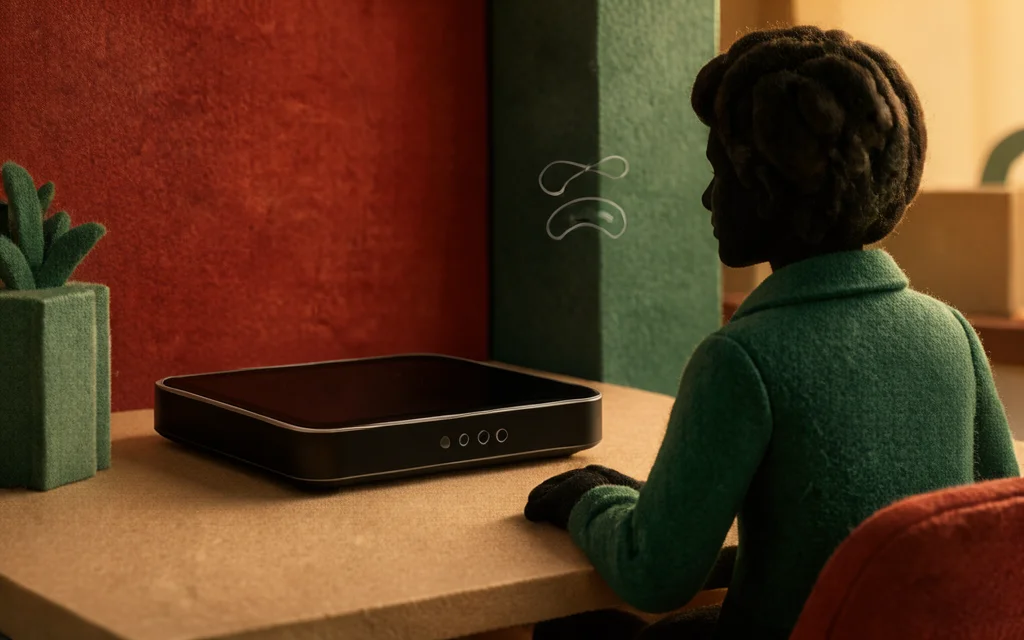
SmartTTS Labs operates as an independent storefront, prioritizing predictable pricing and direct API access for indie developers and IoT integrations. We do not offer enterprise-grade guarantees or complex infrastructure layers, keeping the focus on raw, reliable synthetic voice generation.
No SLA
We do not provide a Service Level Agreement or uptime guarantee. Requests are processed sequentially, meaning under load a request may wait in a queue. While typical speed is roughly real time, latency can vary based on server demand.
No certifications
Our service does not hold specific compliance certifications such as SOC 2, HIPAA, or GDPR certificates. Input text is used only to produce audio and is not used for training, but we do not market ourselves as a certified enterprise solution for regulated industries.
No on-premise
The API is cloud-only. There is no option for on-premise installation or data-center choice. All processing occurs on our servers, and generated audio is returned in the response without long-term storage.
Listen to the 8 voices
Each sample below was generated by this API from the same sentence. Build intelligent devices that seamlessly connect everyday objects for a truly responsive living experience.


23 languages
Any voice speaks any of these languages.
